
When it comes to hiring pro-level glass, both Sony G Master lenses and Canon L Series lenses rank at the top of the game — but each brings a slightly different strength to your productions. If you’re considering lens hire or lens rental for film, TV, commercials, or stills work, here’s a breakdown to help you decide which lens lineup suits your project best.
Key benefits include:
Exceptional sharpness and image resolution, perfect for high-end cinema and photography.
Smooth, cinematic bokeh and background separation thanks to advanced optical elements.
Fast, reliable autofocus and minimal focus breathing for video — huge bonuses for interview or documentary work.
Rugged build and weather-sealing, ready for demanding shoots.
These qualities make Sony G Master lenses ideal if you’re renting lenses for mirrorless cameras, hybrid shooting, or solo shooters who need intuitive autofocus and pro-grade video performance.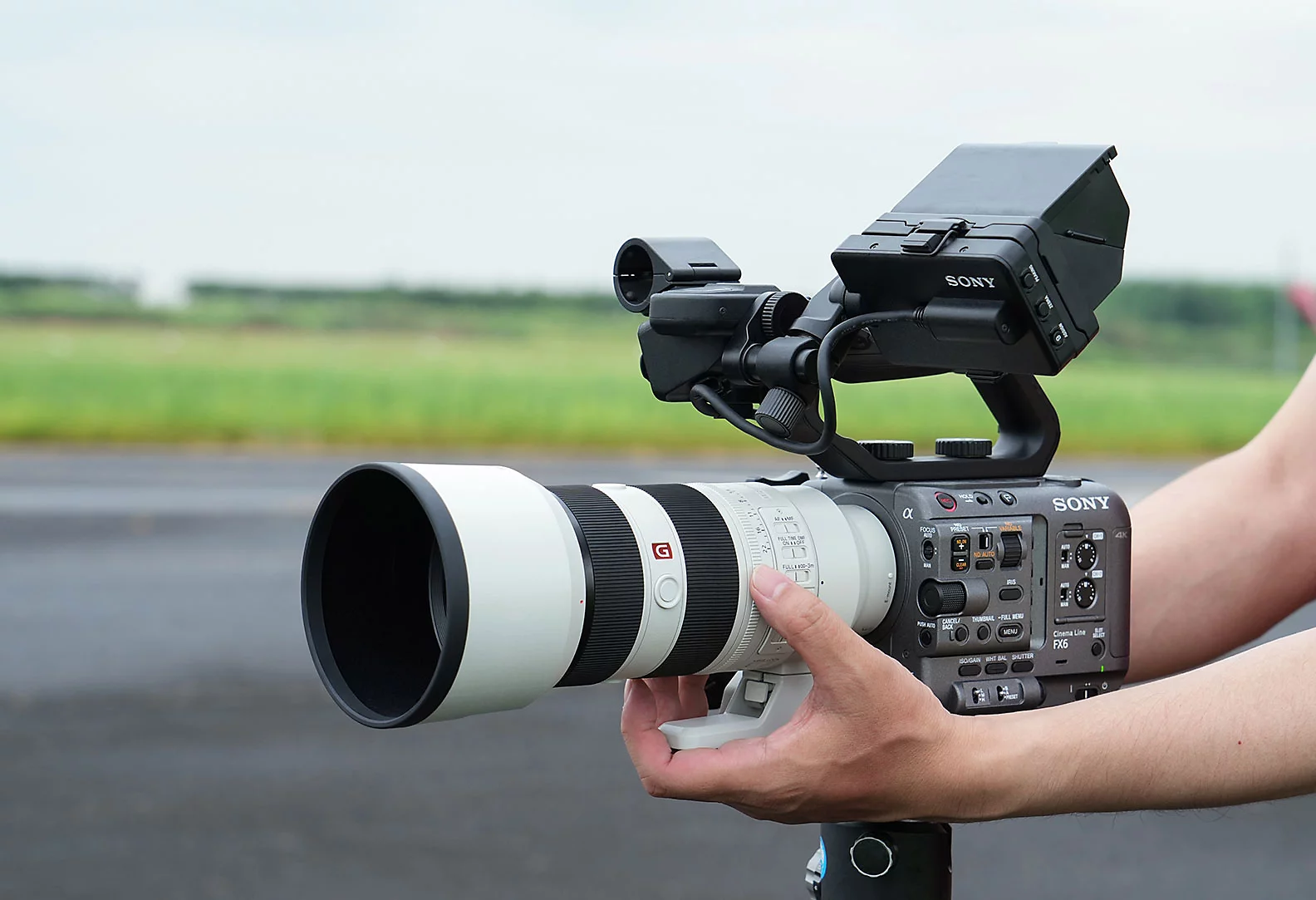
The Canon L Series has long been a favourite among photographers and cinematographers alike, known for rich colour rendition, reliable performance, and a massive ecosystem of lenses. Whether you’re working with Canon EF or RF mount cameras, Canon’s pro lenses deliver impressive optical quality and versatile focal lengths.
Why hire Canon L Series lenses?
Broad range of lens choices, from ultra-wide to super-telephoto, including niche glass many productions rely on.
Beautiful colour and contrast, especially popular with portrait and narrative shoots.
Tactile manual focusing, great for controlled cinema or stills setups.
Adaptability, especially with EF lenses that can be used on different systems with adapters.
Canon L Series lenses are a go-to option when your shoot demands classic lens characteristics, a wide selection of focal lengths, or rugged reliability across stills and motion.
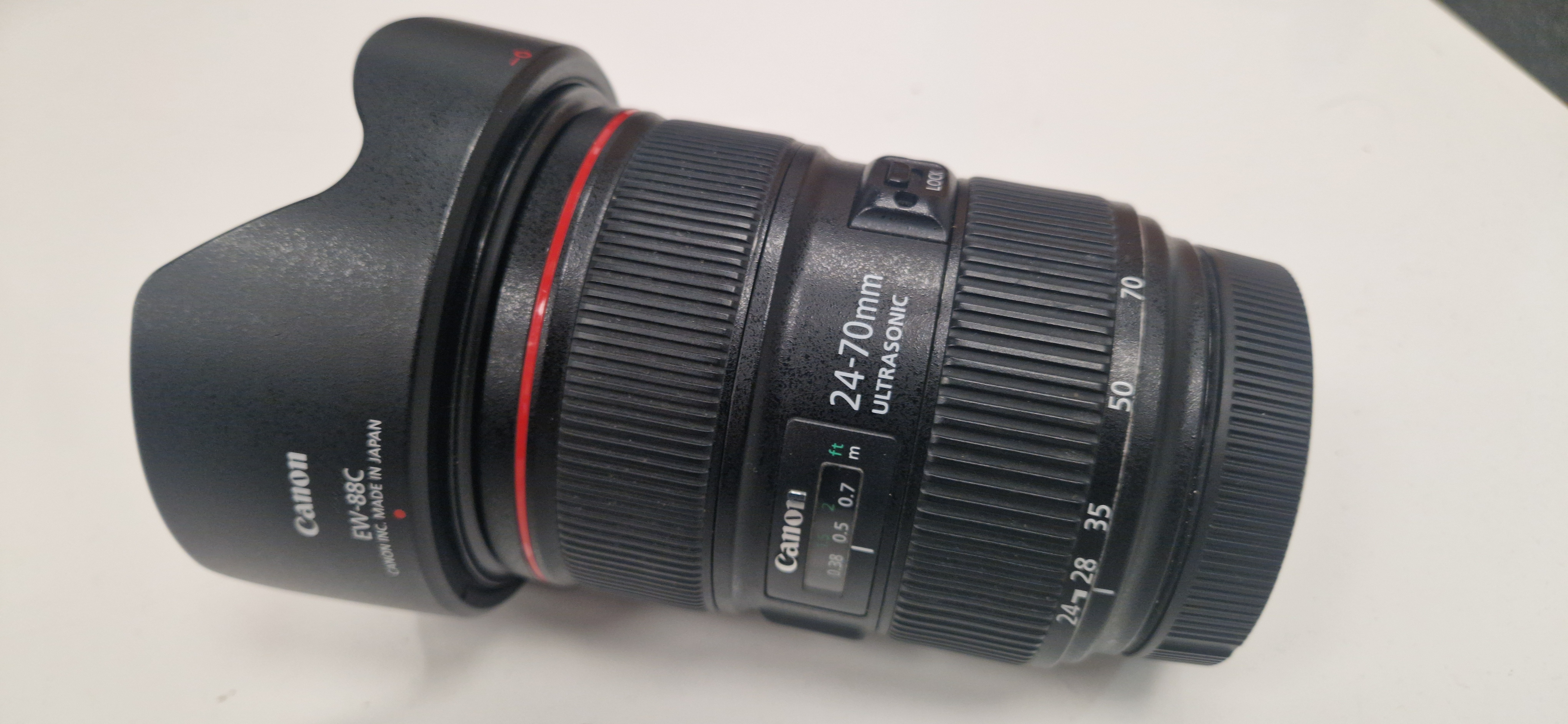
Here’s how to think about Sony G Master and Canon L Series when browsing lens hire options:
For video and hybrid shooters: Sony G Master lenses offer superb autofocus and lightweight handling — fantastic for run-and-gun productions.
For narrative, portrait, and stills work: Canon L Series gives you a wealth of lens choices, beautiful colour rendering, and classic pro-grade performance.
For lens rental flexibility: Wide lens lineups mean better chances of finding niche glass for your project, whether you’re using Sony or Canon cameras
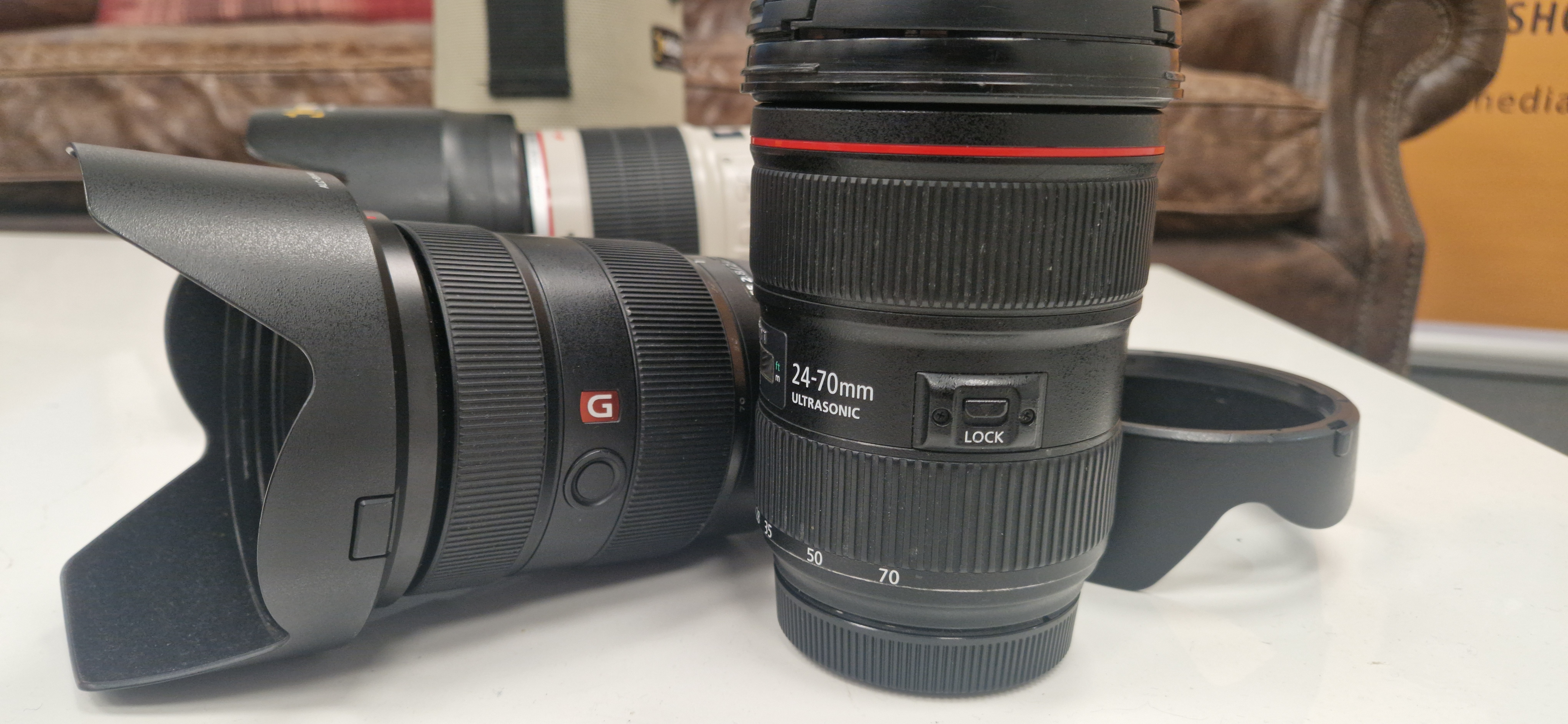 Both Sony G Master and Canon L Series lenses are outstanding choices if you’re looking to rent lenses that elevate your visuals — from independent films and TV dramas to commercial productions and stills photography. The right lens rental depends on your camera system, creative needs, and shooting style.
Here at Kit Cabin we stock a huge range of both Sony and Canon lenses, in both Prime focal lengths and also Zoom Lenses.
Both cateogies are filterable by mount type, but remember that Canon lenses can easily be adapted to fit Sony lenses also, using a Metabones E-EF adapter, however you cannot go the other way around, Sony lenses will simply not fit on a Canon EF Camera.
If you're looking for versatility whilst not being too sure of the shoot specifics, then the classic range of 3 zooms covers most scenarios:
Canon 16-35
Canon 24-70
Canon 70-200
or
Sony 16-35
Sony 24-70
Sony 70-200
There are zoom ranged below and above this, but these 3 cover most scenarios. And then mixing in a single prime such as a 50mm or an 85mm for interview or portrait work is a popular combination.
If you're unsure what you need for your project, please feel free to get in touch and our experienced team would be happy to make suggestions.